Sun Protection Myths for People of Color
Does darker skin need sunscreen? Yes. Learn why melanin is not full protection, how UV drives dark spots, and how to choose an SPF without a white cast.
Written by Julie Davis, Founder Medically reviewed by Brittany Smith, MSN, APRN, FNP-C Updated October 22, 2026 4 min read
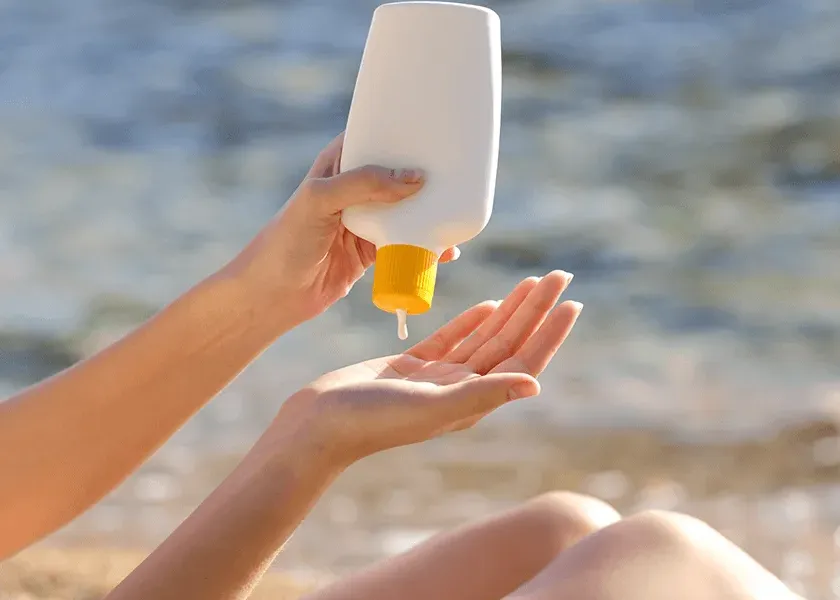
Why people of color may not be getting the daily sun protection they need. Let’s change that.
Many people have bought into the myth that “Black and brown skin doesn’t need SPF.” It has led some to believe that darker, melanin-rich skin simply does not need sunscreen, and that is not true. Here is what the research and the dermatologists we trust actually say.
Myth: Melanin Means You Are Fully Protected
Melanin does not completely protect against UV damage. Darker skin has some built-in defense, but you still need SPF to guard against the sun damage that builds up in every skin tone, including the breakdown of collagen and the dark spots that treatments like IPL photofacials are designed to correct.
Studies do not say that people of color never get skin cancer. They say risk is lower, not absent. And the outcome can be worse when it happens: “Death caused by skin cancer is higher in people of color because it’s often diagnosed late, when in an advanced stage and/or symptoms are not easily recognized.” (Dr. Sumayah Jamal, Dermatologist)
Myth: “I Never Burn”
The redness we associate with sunburn cannot be easily seen on brown and Black skin. Other symptoms, such as tightness, dryness, tenderness, and itching, are still signs of a burn. Because the classic red flush is missing, many people with darker skin assume they have never had a sunburn and conclude they do not need sunscreen.
Why Research Is Still Catching Up
Clinical trials and medical journals are only now starting to diversify their participants for a more accurate picture of skin of color, UV damage, skin cancer, and sunscreen use. As that research grows, the picture will get clearer and more representative. Dr. Sumayah Jamal, Dermatologist, notes that the statistics we have today are likely to shift as it does.
UV, Dark Spots, and Melasma
For many of our patients, the biggest everyday concern is not cancer but pigment. UV exposure can trigger new dark spots, deepen existing ones, and make post-inflammatory hyperpigmentation linger after breakouts, peels, or other treatments. If you live with melasma, sun and heat are two of the most common triggers, which makes daily protection part of the treatment plan rather than an extra.
This is also why sun habits matter after a professional treatment. A facial or peel leaves fresh skin that deserves protection, and your results last longer when you shield them. Your provider will give you aftercare guidance specific to your treatment and skin tone, including how long to avoid direct sun and when it is safe to resume activities like swimming. Treatments for pigment also need careful planning in deeper skin tones, which is one more reason to start with a consultation rather than guessing.
Choosing a Sunscreen: Broad-Spectrum, Mineral, and No White Cast
Whether it is SPF for face or body, look for words like “broad-spectrum protection” or “blocks UVA and UVB light.” Broad spectrum is the only type of sunscreen that defends against both wavelengths. UVA rays penetrate deeper into the skin and, in addition to causing premature skin damage like dark spots, sagging, and wrinkles, are linked to skin cancer. UVB rays are responsible for sunburn and can also cause skin cancer. Protecting against both matters for every skin tone, from the fairest to the most melanin-rich.
White cast is the most common reason people skip sunscreen. A tinted mineral (physical block) formula is designed to blend into deeper skin tones without an ashy look, and many newer chemical sunscreens go on clear. Mineral formulas are also a gentler fit for many people with sensitive or pigment-prone skin. If you are not sure which to pick, our estheticians can help you find a medical-grade option that suits your tone. Our guide on whether your over-the-counter sunscreen is helping or hurting walks through what to look for on the label.
There is also growing interest in blue light from the sun and from our devices. Research is still emerging, but a tinted mineral sunscreen with iron oxides is one way to add visible-light coverage, and there is no downside to choosing one.
How Often to Reapply, and Why SPF Is Not Seasonal
Reapply every 2 hours when you are outdoors, and especially when you are sweating or swimming. That is the best-practice answer, even if it is not always convenient. On busy days, keep a sunscreen stick or tinted powder SPF in your bag to make it easier.
SPF is also not seasonal. UV light is present whenever the sun is up, it reaches you through clouds and windows, and the UV index in Florida is higher than in many parts of the country. The UV index peaks in summer, but the damage is cumulative. It adds up over time and shows up later as dark spots, premature wrinkles, and sagging, or in more serious cases as skin cancer.
Sources:
Preventative Medicine Reports, 2019
International Journal of Dermatology, Sunburn and sun protection in Black skin
Asian Pacific Journal of Cancer Prevention, Skin cancer concerns in people of color: Risk factors and Prevention
Healthline Website, Skin
University of Iowa Hospitals & Clinics, Sun safety
Frequently Asked Questions
Sunscreen for Darker Skin: Your Questions Answered
Do Black people and people of color need sunscreen?
Yes. Darker skin has more natural melanin, which offers some protection, but it does not block UV damage completely. Sun exposure can still cause dark spots, collagen breakdown, and skin cancer in every skin tone.
Can people with darker skin get sunburned?
Yes. Sunburn just looks different. Redness is the classic sign, and it is difficult to see on brown and Black skin. Tightness, dryness, itching, and tenderness are better clues.
What SPF should I use for dark skin?
Choose a broad-spectrum sunscreen, which covers both UVA and UVB rays, with an SPF of 30 or higher. The best one is the one you will wear every day, so texture and finish matter as much as the number.
How do I avoid a white or ashy cast?
Tinted mineral sunscreens are designed to blend with deeper skin tones, and many modern chemical formulas go on clear. Your esthetician can recommend options for your tone and skin type at your visit.
Does sunscreen help with dark spots and melasma?
It is a key part of managing them. UV and visible light can trigger pigment and darken existing spots, so daily sun protection helps keep treatment results from fading. Melasma in particular usually needs ongoing protection alongside professional care.
Do I need sunscreen on cloudy days or indoors?
Yes in most cases. UV passes through clouds and window glass, and its effects add up over time. In Florida the UV index stays high for much of the year, so daily use is the safest habit.
All information subject to change. Images may contain models. Individual results are not guaranteed and may vary.
Authored & Medically Reviewed

Written by
Pura Vida's founder, with two decades of healthcare leadership and a master's in health administration — built on relentless education and rigorous technology vetting.
View full profile →
Medically reviewed by
Brittany Smith, MSN, APRN, FNP-C
Family Nurse Practitioner
A certified Family Nurse Practitioner specializing in advanced aesthetic medicine, with six years in trauma and progressive care before aesthetics.
View full profile →More in Facials And Peels
Keep reading
Neova's DNA Repair Is Essential for Sun-Damaged Skin
Neova's DNA Repair products help address and reverse the harmful effects of sun exposure, lowering the risk of long-term skin damage and cancer.

Benefits of Combining Chemical Peels with Neurotoxins
Thinking about Botox and a chemical peel together? Learn how the two work, how to order and space them, who suits the combo, and what downtime to expect.

The Ultimate Bridal Skincare Guide
A month-by-month bridal skincare timeline for Fleming Island brides: when to start facials, peels, and injectables, and what to skip the week of.

Ready When You Are
Talk it through with a Pura Vida provider
Request an appointment and we’ll build a plan around your goals — the same trusted team, two Fleming Island locations.