




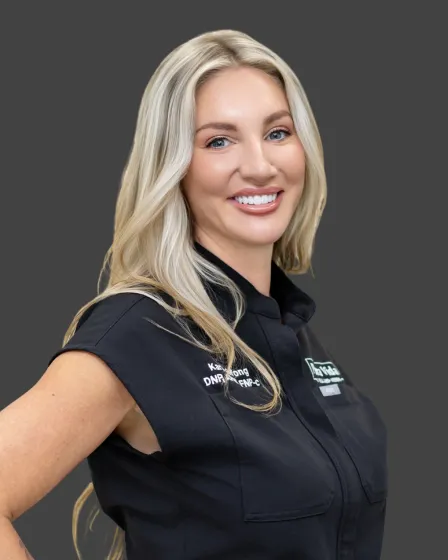
Kara Wilfong
Doctorate Prepared Advanced Registered Nurse Practitioner
Fleming IslandA doctorally-prepared nurse practitioner who spent a decade as an emergency room nurse before moving into aesthetics and wellness.
Hair Loss & Thinning · Fleming Island, FL
Four different things cause hair to thin, and a scalp treatment only helps with one of them. Here is how to tell which you have, why the picture differs for women, and when a physician should look first.
Written by the Well Labs+ editorial team · Last updated July 2026
Start With the Cause
The hair loss industry sells treatment before diagnosis, which is why so many people spend a year on something that was never going to work for their type of loss. Some thinning is genetic, some is hormonal, some resolves once a stressor passes, and some needs a physician, so this page is the triage step before our hair restoration program.
The most common cause in both men and women, driven by genetics and by how your follicles respond to hormones over time. In men it typically shows at the temples and crown; in women it more often reads as a widening part and overall loss of density rather than a receding line. This is the category our scalp protocol is built for.
Perimenopause and menopause shift the hormone balance that keeps hair in its growing phase, and thinning frequently follows. Postpartum shedding and thyroid imbalance belong in this group too. What matters here is that the scalp is showing you a systemic issue, so treating the hormones is often the more useful intervention.
A significant stressor, illness, surgery, rapid weight loss, or a nutritional gap can push a large share of hair into shedding at once, usually two to three months after the event. This type often recovers on its own once the trigger passes, which is exactly why identifying it first saves you money.
Autoimmune conditions, certain medications, scalp conditions, and traction from tight styling all cause hair loss that will not respond to a growth protocol. These need a physician, a dermatologist, or a change in what is causing them, and we would rather point you there than treat around it.
See a physician first if
Your loss came on suddenly or in patches, your scalp is painful, scaling, or visibly inflamed, your hair changed after starting a new medication, or the thinning arrived alongside fatigue, weight change, or other symptoms. Thyroid and hormone imbalance need proper testing rather than a scalp treatment.
Where To Go Next
Two routes, and your assessment decides which. Sometimes the answer is both, sequenced. And on the systemic side, some provider-prescribed peptides can support hair health too, which your provider will raise if it fits your picture.
Wellness & Body · the protocol
Our non-surgical scalp program: microneedling paired with topical Pro-XO exosome growth factors, plus laser hair rejuvenation. Go here for how the treatment actually works and what to expect from it.
Explore Hair RestorationWellness & Body · the sessions
The session-level detail on our combined scalp protocol: what a visit involves, how the series is spaced, and the honest downtime, which is minimal.
Explore Microneedling & ExosomeWellness & Body · the systemic route
When thinning tracks with hormonal change, treating the hormones is frequently the more effective intervention. This is where that conversation happens.
Explore Hormone ReplacementWellness & Body · hormone-related thinning
Our bioidentical hormone program, which the hair restoration team cross-refers to when your pattern of loss points at hormones rather than at the follicle.
Explore Bioidentical HormonesWellness & Body · midlife change
Thinning hair is one of the changes women report most often through perimenopause and menopause, and one of the least discussed. Addressing the cause tends to serve you better than treating the symptom.
Explore Menopause TreatmentWellness & Body · men’s hormones
For men whose thinning sits alongside fatigue, low energy, or other symptoms worth investigating together rather than separately.
Explore Testosterone Replacement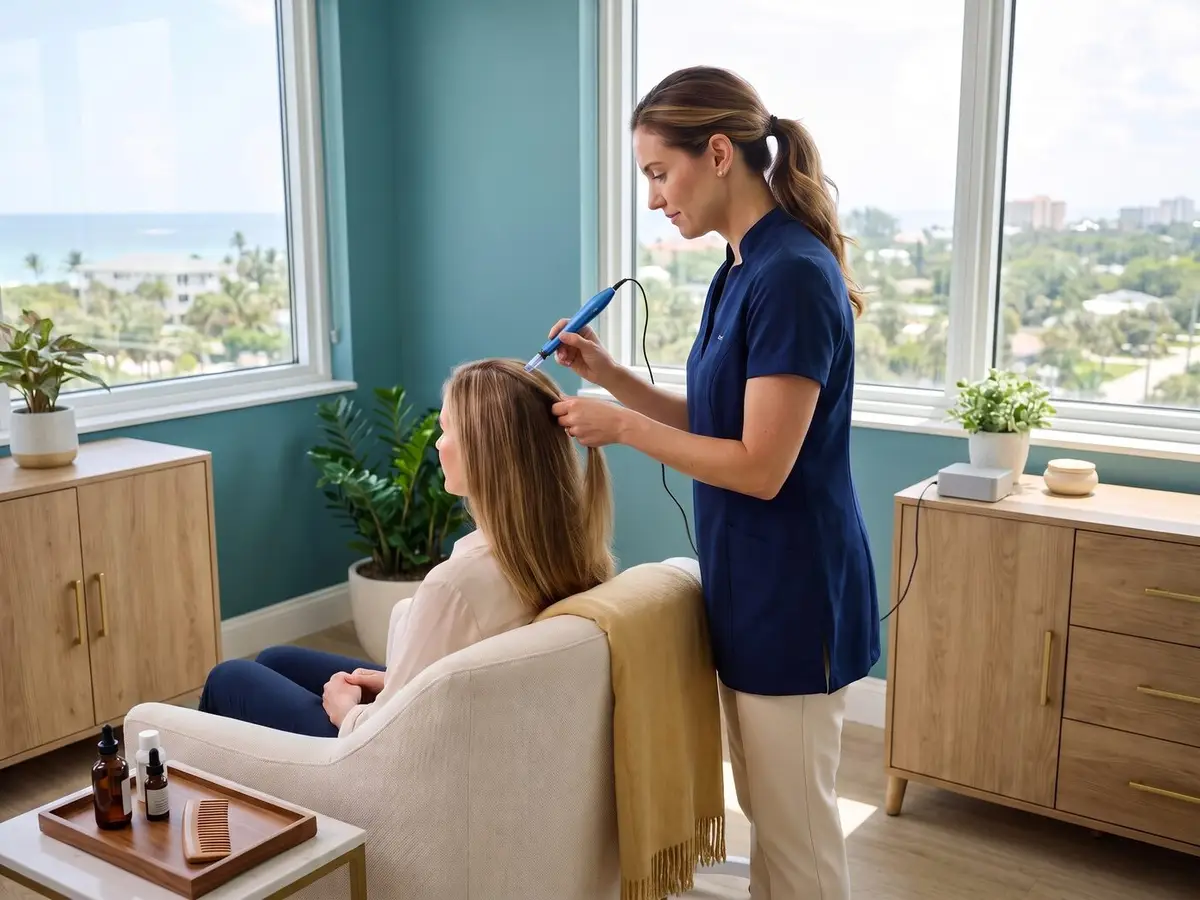
In Expert Hands
Because our hormone and wellness programs sit under the same roof as our scalp protocol, we are not limited to recommending the one thing we happen to offer. If your thinning tracks with a hormonal shift, we can say so and treat that, and where it helps we can add provider-prescribed peptides that support hair health on the same systemic level. If it points at a thyroid issue or an autoimmune condition, we point you to a physician.
And when the scalp protocol is right for you, we are precise about what it is: microneedling paired with a topical exosome solution, not an injectable and not PRP. See the hair restoration program for the full protocol.
Fleming Island · Northeast Florida
Most places that treat hair loss treat only hair loss, which means the recommendation is always the same regardless of your cause. Our patients from Fleming Island, Orange Park, Middleburg, and across Clay County get something different: hormone programs, menopause care, and the scalp protocol assessed by providers who can move you between them. For a woman whose thinning started in perimenopause, that distinction is the whole difference.
Florida living adds its own factors, from sun exposure on a thinning crown to the chlorine and salt water that come with a year-round outdoor life. Your provider will talk through the practical protection alongside any treatment.
The practice Fleming Island trusts for medical wellness: voted the area’s best medspa six years running, cared for from our Medical Spa on Island Lane.
Serving
Is This For You?
Some hair loss has a medical cause that deserves a physician’s workup before any treatment.
We assess for that at your consultation and say so plainly rather than treating a scalp that needs a different answer.
Ready to Start?
Request an appointment and we’ll assess your pattern, your history, and your hormones before recommending anything.
What Our Patients Are Saying
"I visited Pura Vida for hormone health support. Kara is so caring and informational to help you understand how your body works and what you are feeling… a holistic approach of treating from the inside out, down to the cellular and nutrient level, which I appreciate."
"I had my first appointment with Kara today and I have all the faith in the world that she will sort out my perimenopause issues. Look forward to the road ahead."
"We see Kara for BHRT and our overall better health. She is kind, knowledgeable, and relatable. The care we have received is life changing. She is a true professional."
Verified Google reviews. Read all of them.
Prefer to Talk First?
Talk it through with our Fleming Island team before booking a consultation.
Our Process
Your first visit is an honest consultation. We look at your pattern of thinning, ask about family history, hormones, recent illness or stress, medications, and what has changed. The pattern tells us a great deal about the cause.
Some hair loss has a medical cause that deserves a physician’s workup first, including thyroid or hormone imbalance, autoimmune conditions, and scalp disease. We say so plainly rather than treating a scalp that needs a different answer, because starting a series on the wrong cause wastes months.
If your thinning tracks with hormonal change, treating the hormones is often more effective than treating the follicle. If it is pattern loss, the scalp protocol is the right tool. Sometimes it is both, and we sequence them.
Where the scalp protocol fits, each session pairs microneedling with the topical Pro-XO solution, usually as a short series spaced weeks apart. It is a topical protocol rather than an injectable, and it is not PRP. We are precise about that because the terms get confused online.
Hair growth works on its own biological clock, so change builds gradually over months rather than days. We photograph your progress and follow up rather than promising regrowth we cannot guarantee.
Proven Excellence
Two Fleming Island locations serving the same families for years, with hormone care and aesthetics under one roof.
Meet Your Care Team
Nurse practitioners and clinicians who can assess hormones and scalp together, and refer out when that is the honest answer.
Doctorate Prepared Advanced Registered Nurse Practitioner
Fleming IslandA doctorally-prepared nurse practitioner who spent a decade as an emergency room nurse before moving into aesthetics and wellness.
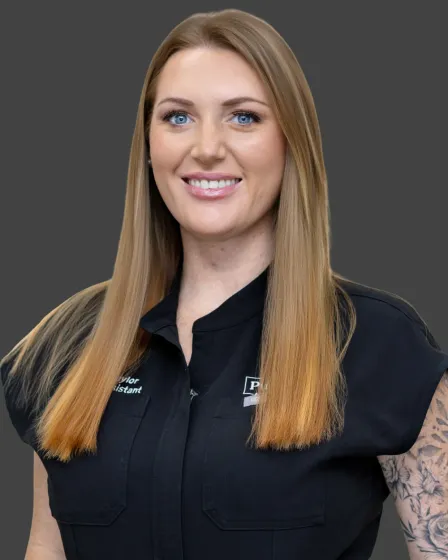
Medical Assistant
Fleming IslandSupports the clinical team through every appointment so your provider can deliver attentive, unhurried care.
Patient Care Team
Frequently Asked Questions
There are four broad causes and they need different answers. Pattern thinning is the most common, driven by genetics and how your follicles respond to hormones; in women it usually shows as a widening part and lost density rather than a receding hairline. Hormonal change is the second, including perimenopause, menopause, postpartum shedding, and thyroid imbalance. Third is a stressor: illness, surgery, rapid weight loss, or a nutritional gap can push a lot of hair into shedding at once, typically two to three months after the event, and this type often recovers on its own. Fourth is medical, including autoimmune conditions, certain medications, scalp conditions, and traction from tight styling. Working out which one you have is the first job, because a growth protocol will not help three of the four.
The pattern usually differs, and so does the most useful intervention. Men typically lose hair at the temples and crown in a recognizable pattern. Women more often see a widening part and a general loss of density, which is why it is frequently noticed later and dismissed longer. Hormonal drivers are also more prominent for women: perimenopause and menopause shift the balance that keeps hair in its growing phase, and postpartum shedding and thyroid changes are common. That is why our consultation for women often ends up pointing toward hormone care rather than only scalp treatment.
No. Our scalp protocol is microneedling paired with a topical exosome solution called Pro-XO, which is applied after microneedling creates micro-channels in the scalp. It is a topical, growth-factor-based protocol applied in-office. It is not an injectable, and it is not PRP, which stands for platelet-rich plasma and involves drawing and processing your own blood. We are deliberately precise about this distinction because the terms get used interchangeably online and they are genuinely different treatments.
When the pattern or the timing suggests a medical cause. Sudden or patchy loss, loss accompanied by scalp pain, scaling, or visible inflammation, hair loss alongside fatigue, weight change, or other systemic symptoms, and loss that started after a new medication all warrant a physician’s workup first. Thyroid and hormone imbalance in particular need proper testing rather than a scalp treatment. We assess for these at your consultation and will tell you plainly if that is where you should start, which is a better outcome for you than a series that was never going to work.
Hair grows on its own biological clock, so change builds gradually over months rather than days or weeks. We photograph your progress at intervals and follow up on that timeline rather than promising regrowth, because no honest provider can guarantee it. What we can commit to is telling you at each reassessment whether we are seeing a response, and being straight with you if we are not. Pricing and exact recommended treatments are determined during an individual consultation with one of our providers.
It can, when hormones are what is driving the thinning. If your hair loss tracks with perimenopause, menopause, or another hormonal shift, then the scalp is showing you a systemic change, and treating that change is often more effective than treating the follicle alone. Our hormone replacement and bioidentical hormone programs are where that assessment happens, and our hair restoration team cross-refers to them for exactly this reason. Your provider will tell you whether your pattern of loss points that way.
Pura Vida sees hair loss patients at our Fleming Island locations, drawing from across Clay County, Orange Park, Middleburg, Green Cove Springs, and Jacksonville. Because our hormone and wellness programs sit under the same roof as our scalp protocol, we can assess whether your thinning is a follicle problem or a systemic one and treat accordingly, rather than only offering the one thing we happen to sell. We have been voted the area’s best medspa six years running.
Powered by Ageless AI
Our AI preview tool shows you potential treatment results on your own face and body before you ever step into our office. No commitment, no guessing.
Ready When You Are
Request an appointment and we’ll assess your pattern of thinning, your history, and your hormones, then tell you honestly whether we are the right people to treat it.
Not ready to book? Send us a question instead.