




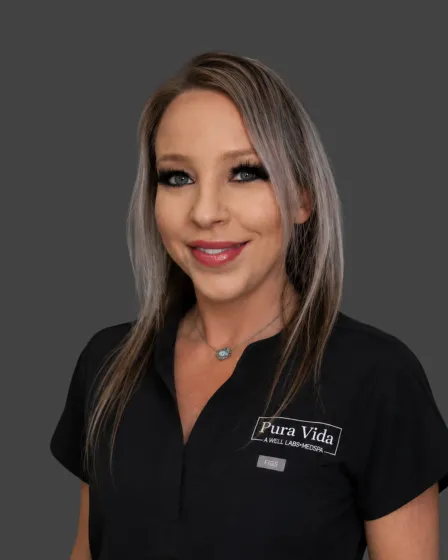
Andrea Boze
Medical Aesthetician
Fleming IslandA medical aesthetician with more than 18 years of experience leading advanced facials and skin-rejuvenation treatments.
Skin Tightening & Non-Surgical Lift · Fleming Island, FL
Quantum RF, Morpheus8, TriLift: radiofrequency and energy-based treatments for the softening jawline, neck, and skin that time and Florida living bring, matched to how deep your laxity sits by providers who will tell you when surgery is the more honest answer.
Written and medically reviewed by Emily Arnold, PA-C in August 2026 Last updated July 2026
Category Overview
Skin loosens as the collagen and elastin that once held it firm slow down with age and sun exposure. Radiofrequency tightening works with that biology rather than against it: controlled energy heats the deeper layers of the skin, which prompts your body to build fresh collagen and elastin over the months that follow.
Because that new collagen forms gradually, results build over roughly three to six months. The body cannot rebuild collagen overnight, and we would rather say so plainly. Choosing well is the whole point, so we match the device to how deep your laxity sits, part of our complete lasers and devices program, and we will tell you honestly when non-surgical care is not the right fit.
The Tightening Options
Each of these reaches a different depth and suits a different degree of laxity. Use this as a guide, then let your provider match the right one to your skin, so the choice is based on your face rather than on a single machine.
Flagship · skin tightening & body
Our flagship radiofrequency device for firming loose skin on the face, neck, and body. The go-to for overall laxity and for skin that has changed with aging or after weight loss.
Learn about Quantum RFInMode · deep subdermal RF
Radiofrequency delivered through microneedles into the deeper subdermal layer to tighten and remodel from within. The choice when you need deeper structural tightening than surface RF reaches.
Learn about Morpheus8Lumenis · RF + muscle
Combines radiofrequency with dynamic muscle stimulation to lift and firm, with no needles. A comfortable option for mild to moderate laxity along the jaw and cheeks.
Learn about TriLiftThreads + comparison
An honest look at what non-surgical lifting, including PDO threads and InstaLift, can and cannot do, and when a surgical facelift is the more honest recommendation.
Learn about Non-Surgical FaceliftWhich one is right for you is decided together at your consultation, based on the depth of your laxity and your goal.
Also In Our Toolkit
Some lifting and firming goals call for a paired or supportive approach. These come up at consultation when they fit your skin.
Absorbable suture support that gives a subtle lift by gently repositioning the skin, then dissolves as the body builds its own support. We discuss it within the non-surgical facelift conversation.
A paired protocol that combines IPL with RF microneedling in one plan, so tone and firmness are addressed together over a short series rather than as separate visits.
In Expert Hands
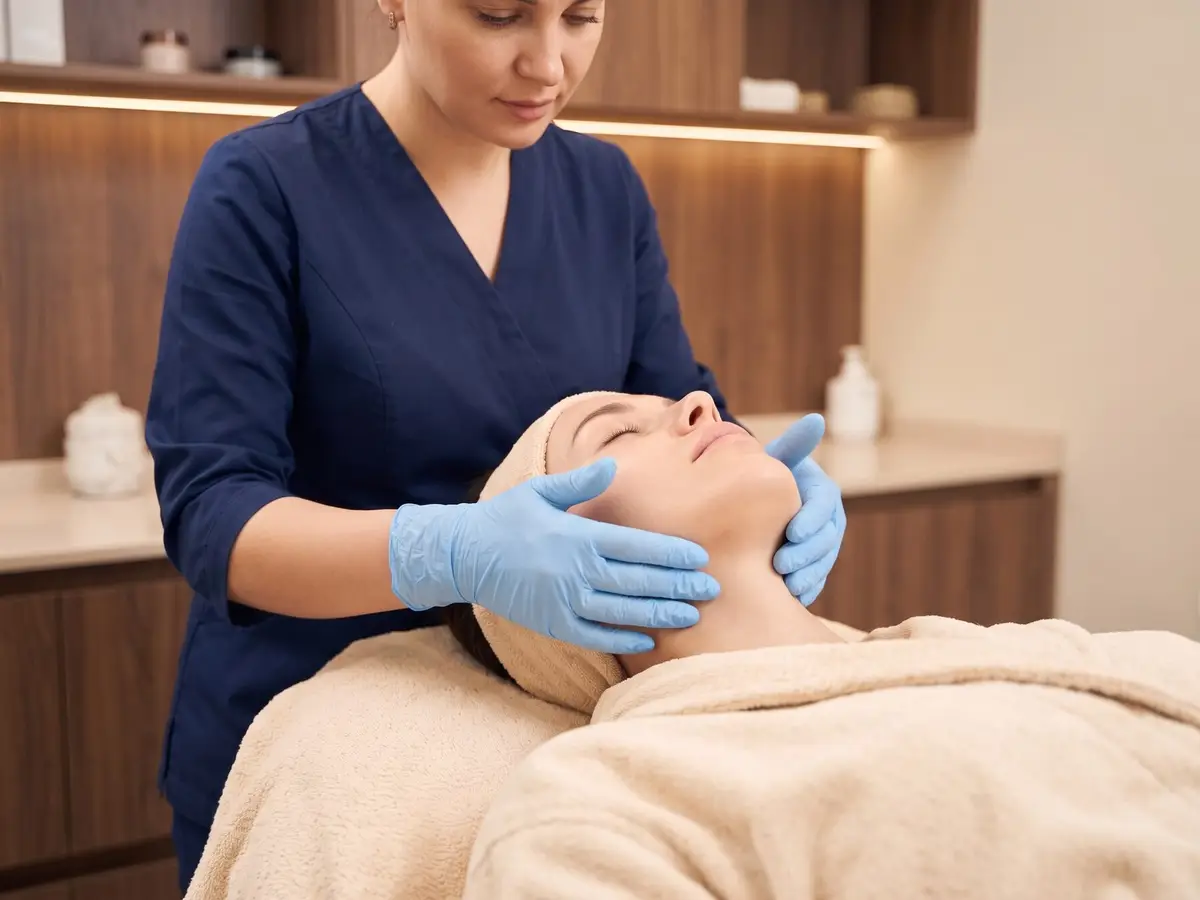
A tightening result depends on the judgment behind the device. Every treatment at Pura Vida is delivered by an experienced provider who assesses how deep your laxity sits, chooses the right device and settings for that depth, and sets an honest timeline for the collagen response.
When non-surgical care is not the right call, we say so and point you toward what is, part of the full lasers and devices program built around your skin.
Fleming Island · Northeast Florida
Fleming Island skews toward established, active neighbors who have spent a lifetime outdoors: on the river, the golf course, and the water. Years of Florida sun break down the collagen that keeps skin firm, so laxity along the jaw and neck tends to show earlier here. Non-surgical tightening rebuilds that support gradually, and we are honest about what it can and cannot do for skin that has seen a lot of sun.
Northeast Florida’s UV index climbs to extreme from spring through late summer, and sun exposure drives much of the collagen loss and visible aging we treat, so care here is as much about prevention as it is about correction.
The practice Fleming Island trusts for advanced skin care: voted the area’s best medspa six years running, a Lumenis Center of Excellence, cared for from our Medical Spa on Island Lane.
Serving
Is This For You?
If non-surgical tightening will not meet your goal, we will tell you honestly and point you toward what will, including a surgical referral when that is the more honest answer.
Declining a treatment that will not serve you is part of how we work.
Ready to Start?
Request an appointment and we’ll match Quantum RF, Morpheus8, or TriLift to how deep your laxity sits, here in Fleming Island.
What Our Patients Are Saying
"The TriLift treatment was equally impressive. Macy’s meticulous approach targeted the areas I was most concerned about, and the results were remarkable. My skin appeared lifted, firmer, and more youthful without any invasive procedures."
"Andrea pampered me today with an Anti-Aging facial with Tri-Lift. She was very gentle and very knowledgeable and offered good product advice. I always look forward to my monthly appt. Thank you Andrea for keeping my skin glowing!"
"Kara is incredibly patient, understanding, and knowledgeable. I never felt pressured or rushed to do or buy anything extra. Super professional and clean atmosphere. Will be back again and again."
Verified Google reviews. Read all of them.
Prefer to Talk First?
Talk through which device fits your skin with our Fleming Island team before you book.
Real Results
Real results by Kara Wilfong, DNP.
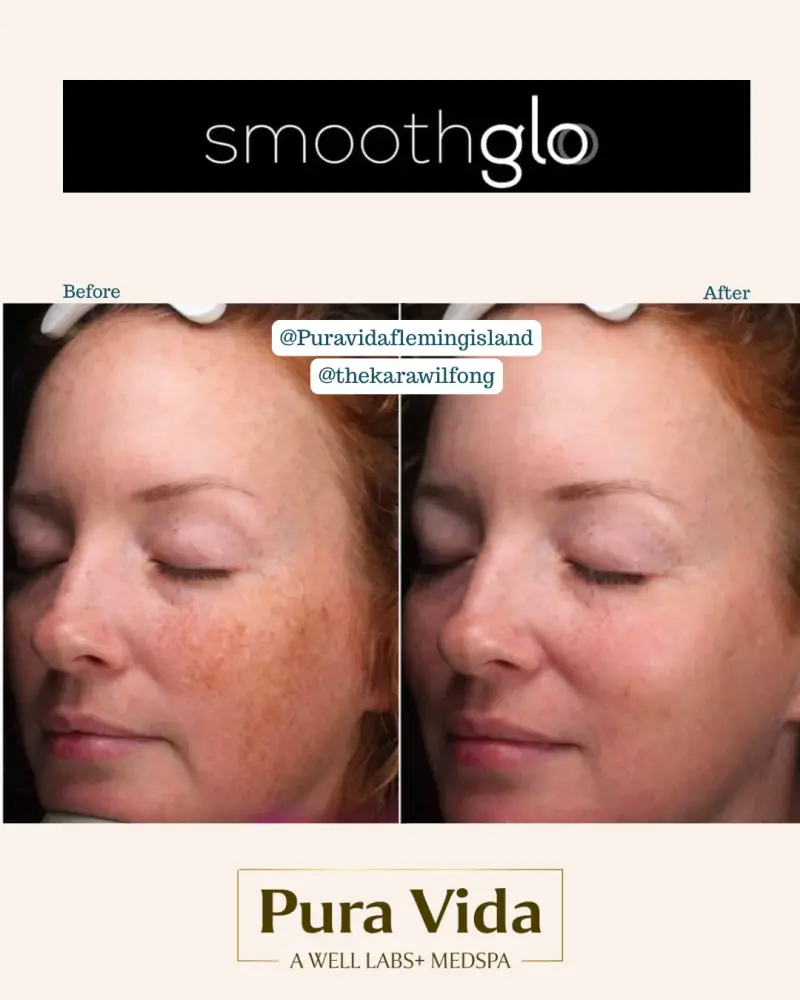
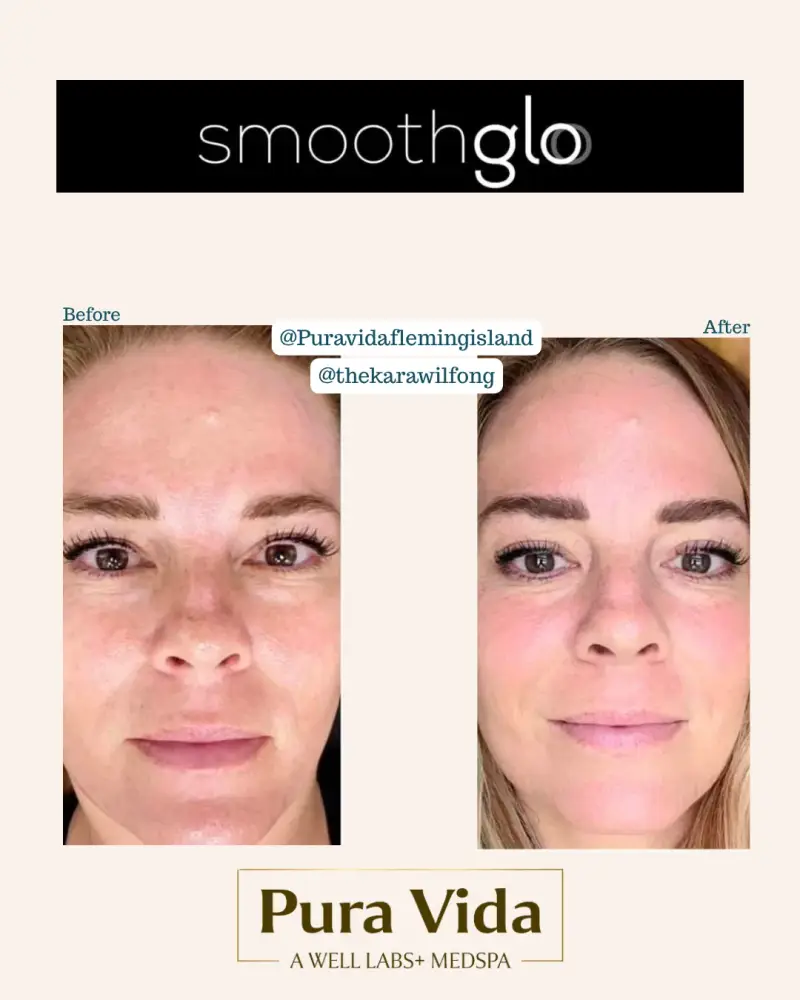
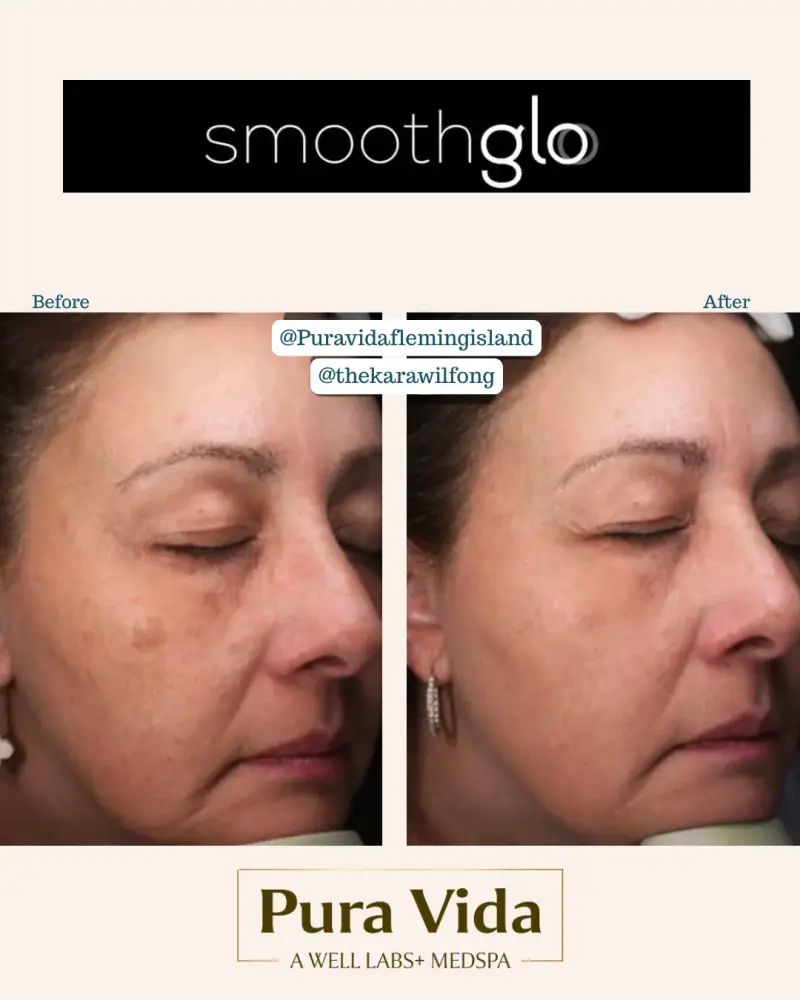
Individual results may vary and are not guaranteed. Photos are of real Pura Vida patients, shared with consent.
Our Process
Your first visit is an unhurried consultation. We look at where your skin has loosened, how deep the laxity goes, and your history, then talk through which tightening approach fits your skin and your goals.
Depth matters. Surface radiofrequency, deep subdermal microneedling, and RF paired with muscle stimulation each reach a different layer. We match the device to how deep your laxity sits, honestly, rather than fitting your face to one machine.
Most tightening plans work best as a short series spaced a few weeks apart. Each session is comfortable, and we explain what to expect while the collagen response gets underway.
Radiofrequency works by prompting your body to build new collagen and elastin, which takes time. Results build gradually over three to six months, and we revisit your progress rather than promising an overnight change.
Proven Excellence
Two Fleming Island locations serving the same families for years: a Lumenis Center of Excellence and the most-reviewed medspa in the region.
Meet Your Care Team
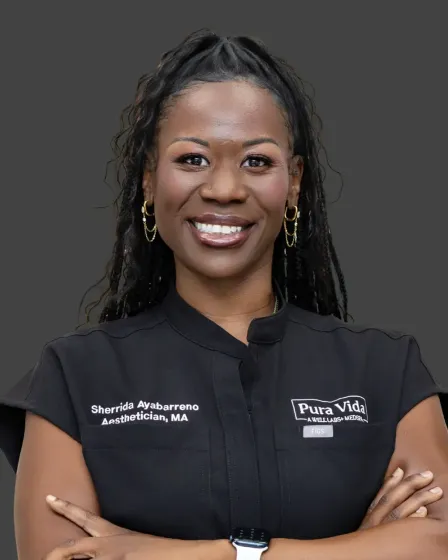
Medical aestheticians led by Andrea Boze, backed by our nurse practitioners, deliver your care. The same expert team, visit after visit.
Medical Aesthetician
Fleming IslandA medical aesthetician with more than 18 years of experience leading advanced facials and skin-rejuvenation treatments.
Medical Aesthetician
Fleming IslandA medical aesthetician with years of experience guiding skin-health and rejuvenation treatments tailored to your skin.
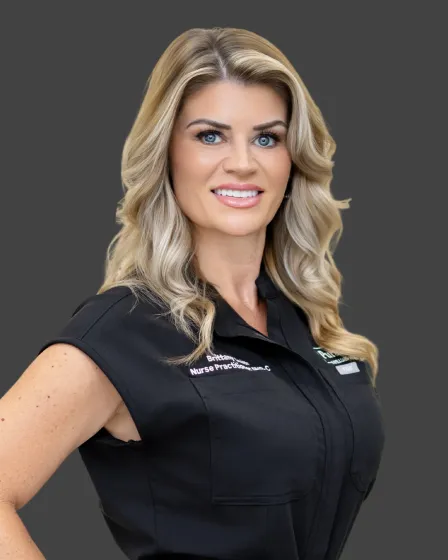
MSN, APRN, FNP-C
Fleming IslandA certified Family Nurse Practitioner specializing in advanced aesthetic medicine, with six years in trauma and progressive care before aesthetics.
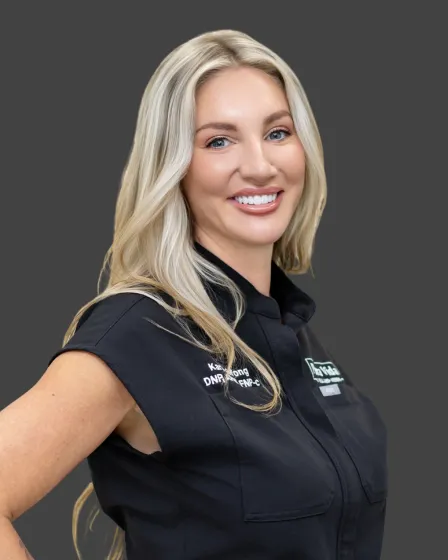
Doctorate Prepared Advanced Registered Nurse Practitioner
Fleming IslandA doctorally-prepared nurse practitioner who spent a decade as an emergency room nurse before moving into aesthetics and wellness.
Scroll to meet the full team
Frequently Asked Questions
Radiofrequency skin tightening works by heating the deeper layers of the skin to a controlled temperature, which prompts your body to build new collagen and elastin over the following three to six months. That gradual timeline is the honest part: the body can’t rebuild collagen in a single visit, so results firm up over time rather than appearing overnight. In the Jacksonville area, where intense sun exposure much of the year accelerates the same collagen breakdown that causes loose skin, this is exactly the process these treatments are designed to help reverse.
Quantum RF, Morpheus8, and TriLift each reach a different depth of the skin, and that depth is what decides the right pick for you. Quantum RF is our flagship for firming loose skin across the face, neck, and body, and suits overall laxity well. Morpheus8 is a separate treatment that delivers radiofrequency through microneedles into the deeper subdermal layer for more structural remodeling. TriLift pairs radiofrequency with muscle stimulation, with no needles, for mild to moderate laxity along the jaw and cheeks. Your provider matches the device to how deep your laxity sits at your consultation.
Downtime depends on the device: no-needle radiofrequency treatments like TriLift are typically downtime-free, with warmth and mild redness that settle within hours, while microneedling radiofrequency such as Morpheus8 creates tiny channels in the skin that leave redness and a sandpaper texture for a few days. We’ll walk you through exactly what to expect for the device we recommend so you can plan around your week.
No, non-surgical skin tightening will not replace a facelift if you have significant sagging or excess skin, though it works very well for mild to moderate laxity. Radiofrequency treatments firm and refresh skin, and for many patients that is exactly the change they want. But if your laxity has moved past what energy-based devices can lift, a surgical facelift will give a result non-surgical care cannot, and we’ll tell you so rather than sell you a series that will not meet your goal.
The main downside is patience: because results depend on your own body building new collagen, you will not see a dramatic change after a single visit, and most plans call for a short series of sessions rather than one treatment. Microneedling RF options like Morpheus8 also mean a few days of redness and rough texture while the tiny channels heal, and no energy-based device can match what surgery achieves for significant sagging. We’ll say so plainly at your consultation if your laxity has moved past what non-surgical tightening can fix.
Pura Vida treats radiofrequency skin tightening, including Quantum RF, Morpheus8, and TriLift, at both of our Fleming Island locations, and we see patients from across Clay County, Orange Park, Middleburg, Green Cove Springs, and Jacksonville. We’ve been voted the area’s best medspa six years running and were the region’s first Aerolase and SmoothGlo provider, which is why patients across the First Coast come to us specifically for advanced, physician-guided skin treatments.

Powered by Ageless AI
Our AI preview tool shows you potential treatment results on your own face and body before you ever step into our office. No commitment, no guessing.
Ready When You Are
Request an appointment and we’ll assess how deep your laxity sits, match the right tightening approach to your skin, and set an honest timeline for the result, so you know what to expect before we begin.
Not ready to book? Send us a question instead.